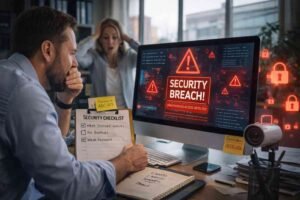

A few years ago, most people only worried about viruses or weak passwords. Now, data protection feels different. Between phishing emails that look real, fake login pages, and apps that quietly collect personal information, protecting your data has become part of everyday life. It is no longer just an IT problem. It is a personal responsibility.
Most data breaches do not happen because of highly skilled hackers breaking systems. They happen because someone clicked a link, reused a password, connected to public Wi-Fi, or ignored a software update. Small habits make the biggest difference. The good news is that you do not need advanced technical knowledge. You just need consistent data protection habits.
Safer Browsing Habits That Protect Your Digital Footprint
Browsing the internet is something people do all day, shopping, reading news, logging into accounts, and checking emails. Every one of these actions leaves a digital footprint. Without safe browsing habits, advertisers, trackers, and cybercriminals can collect more information than most people realize.
One of the biggest improvements you can make is using privacy-focused browsers. Some browsers block trackers and fingerprinting automatically, which reduces how much companies and websites track your activity. It also reduces the risk of malicious scripts running in the background.
You should also regularly check your browser extensions. Many people install extensions once and forget about them. Extensions often have permission to read your data on websites, which can be risky if the extension is no longer maintained or trustworthy.
Important safe browsing habits include:
- Only enter personal information on HTTPS websites
- Remove unused browser extensions
- Use email aliases for shopping and newsletters
- Block third-party tracking cookies
- Log out of important accounts when using shared devices
These small actions significantly improve online data security and protect personal information online.
Secure Online Banking and Financial Accounts
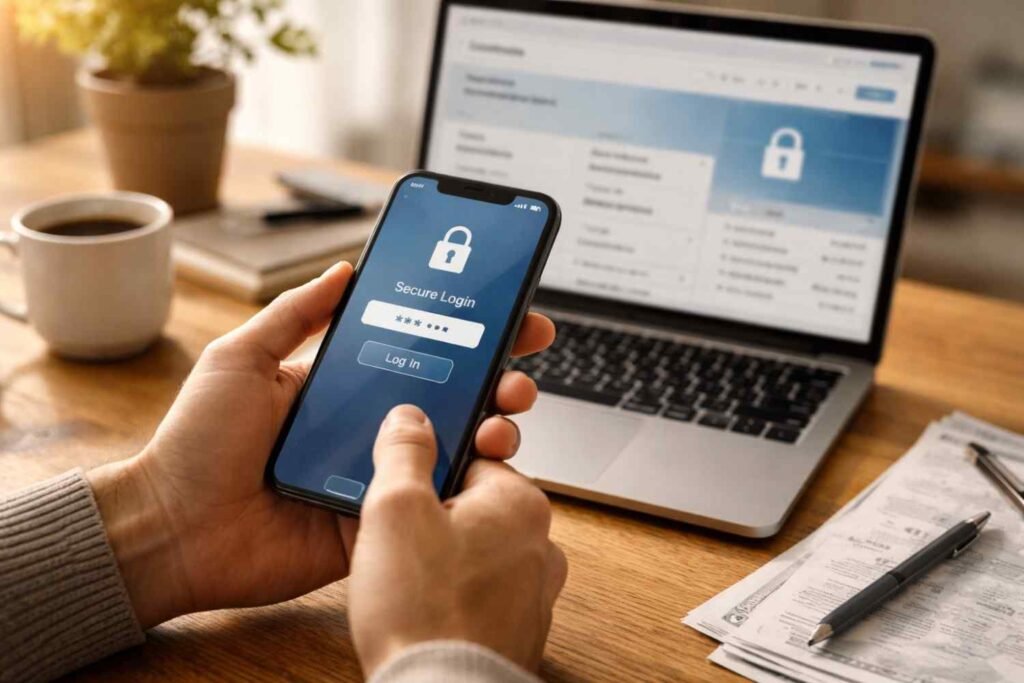
Financial accounts are one of the biggest targets for cybercriminals because they provide direct access to money and personal identity information. Banking security today is less about passwords and more about authentication layers and monitoring activity.
Passwords alone are no longer enough. Many platforms now offer passkeys, biometric logins, or authentication apps, which are much more secure than traditional passwords or SMS verification codes. Multi-factor authentication should always be enabled for banking, email, and important accounts.
Another major mistake people make is accessing financial accounts on public Wi-Fi. Public networks are often unsecured, which means attackers can intercept data if the connection is not encrypted.
To improve secure online banking:
- Enable multi-factor authentication
- Use biometric login or passkeys when available
- Turn on transaction alerts for all payments
- Never access banking on public Wi-Fi
- Regularly monitor bank statements
- Freeze your credit if you are not applying for loans
These steps help prevent identity theft and unauthorized transactions, which are two of the most common financial data security risks.
Data Protection Tips for Work and Remote Work Environments
Work data protection has become more important with remote and hybrid work. Many people now use home networks, personal devices, and cloud platforms for work, which increases security risks if devices are not properly secured.
One of the biggest mistakes is mixing personal and work usage on the same device. Downloading personal files, browser extensions, or apps on a work computer can introduce malware or data leaks.
Disk encryption is another important but often ignored step. If a laptop is stolen and the disk is not encrypted, the data can be accessed by removing the hard drive and connecting it to another computer.
Work data protection habits should include:
- Use separate devices for work and personal use
- Enable disk encryption
- Use secure home Wi-Fi with strong router passwords
- Enable automatic software updates
- Avoid downloading unknown files or software
- Verify email requests for payments or sensitive data
Phishing attacks have also become more advanced. Some phishing emails now look exactly like real company emails, and deepfake voice messages are being used to impersonate managers or executives. Always verify urgent financial or data requests through another communication method.
FAQs: Data Protection Tips for Safer Browsing, Banking, and Work
1. What are the most important data protection tips for everyday users?
The most important tips include using strong passwords, enabling multi-factor authentication, avoiding public Wi-Fi for sensitive logins, updating software regularly, and backing up important data.
2. How can I protect personal information online while browsing?
Use secure HTTPS websites, block tracking cookies, remove unnecessary browser extensions, use privacy-focused browsers, and avoid entering personal information on unknown websites.
3. Is public Wi-Fi dangerous for online banking?
Yes, public Wi-Fi can be insecure, and attackers may intercept data. Avoid banking or entering sensitive information on public networks unless using a secure VPN.
4. How can remote workers protect work data?
Remote workers should use secure home Wi-Fi, enable disk encryption, keep software updated, avoid mixing personal and work devices, and verify suspicious emails or payment requests.
Final Thoughts
Data protection is no longer something only companies or IT departments need to worry about. Everyone who uses the internet, banking apps, email, or cloud storage is responsible for protecting their own information. Most cyber incidents do not happen because of complex hacking techniques but because of small mistakes like weak passwords, outdated software, or clicking phishing links. The difference between staying safe and becoming a victim often comes down to daily habits.
If you focus on safer browsing, secure banking habits, strong authentication, backups, and device security, you are already on the right track to cyber attack prevention and reducing most data risks. Data protection is not about one big action. It is about many small habits done consistently.