
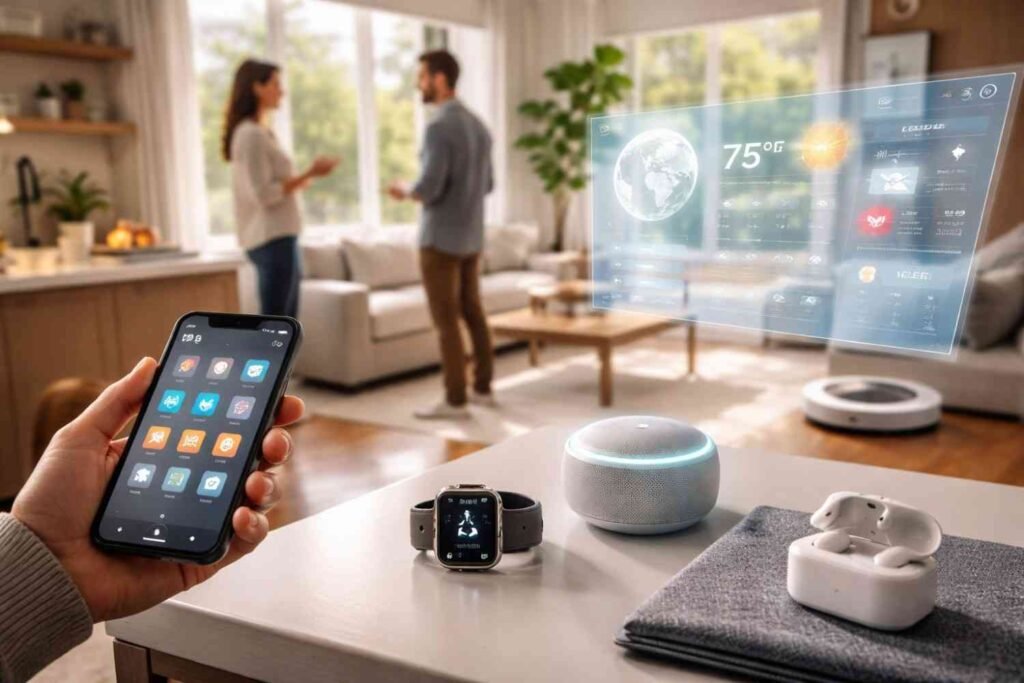
Technology already shapes how we wake up, work, shop, and communicate, but the next wave of innovation will be very different from what we’ve seen so far. Earlier technology needed human input for almost everything. Future tech innovations are moving toward systems that predict, decide, and act on their own. Instead of using technology as a tool, we’ll be living alongside technology that works quietly in the background and manages parts of our daily life.
If you look at how quickly things changed in just the last decade, remote work, smart devices, digital payments, and AI assistants, it becomes easier to imagine how different everyday life could look in the next 10–20 years. Future technology trends are not just about gadgets. They are about healthcare, transportation, communication, energy, and even how cities are built and managed.
Artificial Intelligence Will Become an Everyday Assistant
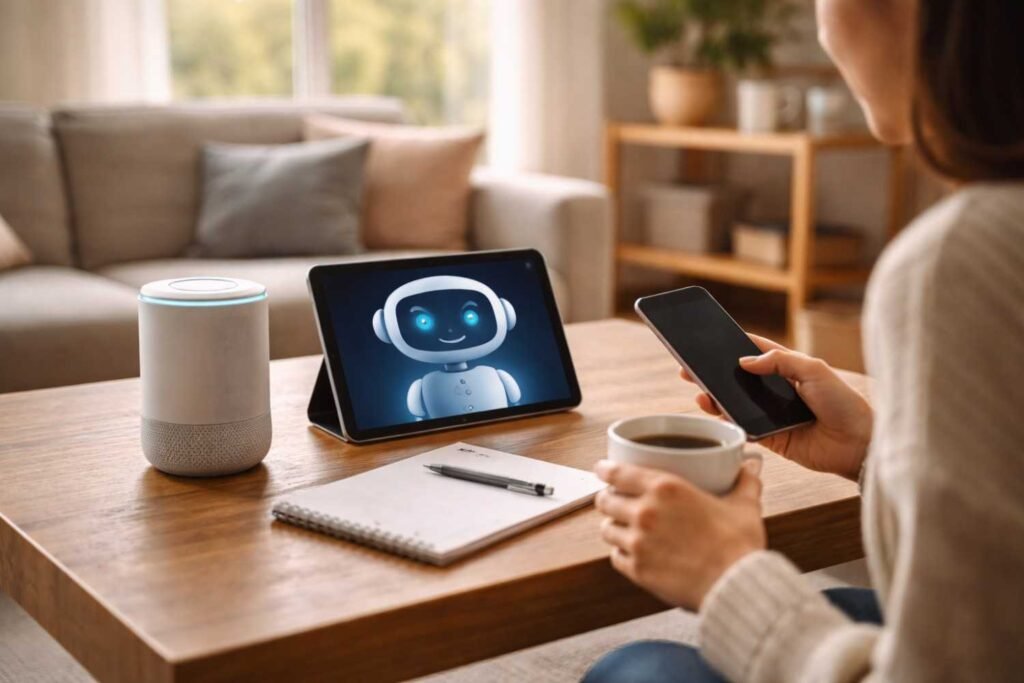
Artificial intelligence is one of the biggest future tech innovations and will likely become part of everyday routines. AI is already used for recommendations, voice assistants, and customer service, but the next stage is autonomous AI agents that can complete tasks without constant instructions.
In the future, AI may:
- Manage schedules and emails automatically
- Handle personal finances and budgeting
- Order groceries before you run out
- Book travel and plan itineraries
- Act as a digital work assistant
Instead of searching for information, people will rely on AI to analyze data, make suggestions, and even make decisions. This shift will change workplaces, productivity, and time management significantly.
Healthcare Will Shift From Treatment to Prevention

One of the most important emerging technologies is in healthcare. The future of healthcare technology is moving from treating illnesses to predicting and preventing them.
Wearable technology already tracks heart rate, sleep, and activity levels. In the future, digital twins, virtual models of a person’s body, could simulate health conditions and test treatments before they are used in real life. This could help doctors detect diseases much earlier.
Scientists are also working on:
- Bioprinting bones and tissues
- Engineered bacteria that treat diseases inside the body
- Gene-edited organ transplants
- Self-healing medical materials
Healthcare may become more personalized, predictive, and long-term focused instead of reactive.
Smart Homes and Connected Living
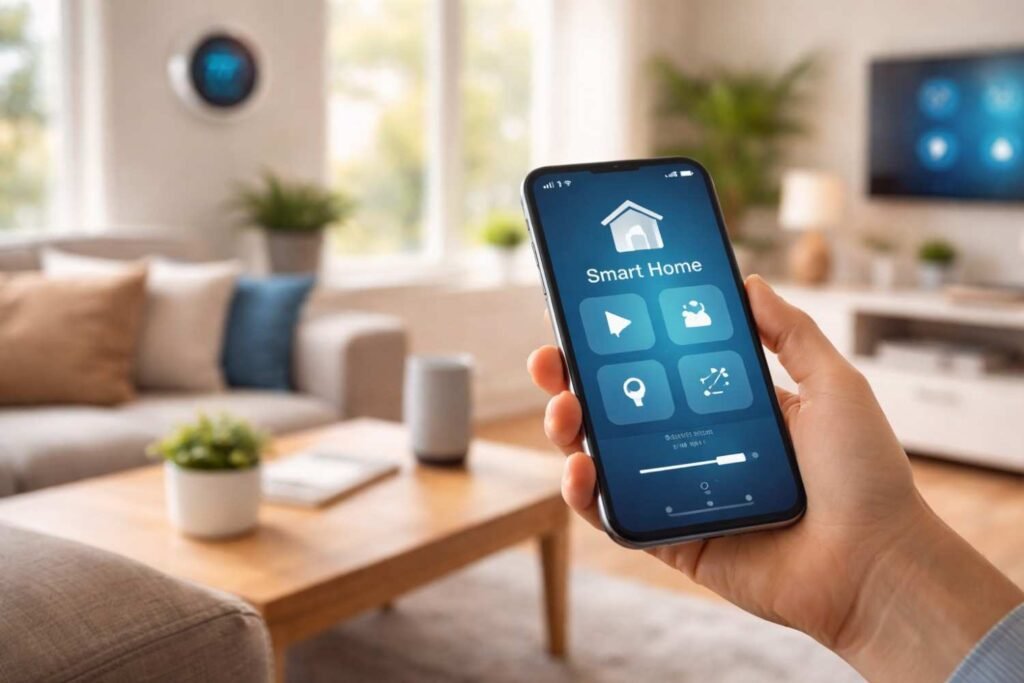
Smart home technology is another area where future digital technology will change everyday life. Homes are slowly becoming connected environments where devices communicate with each other.
In the future, smart homes may:
- Adjust lighting and temperature automatically
- Order groceries when supplies run low
- Detect maintenance issues before something breaks
- Optimize electricity usage
- Improve home security using AI cameras
The goal of future smart technology is convenience and efficiency. Many daily tasks may become automated without people even thinking about them.
Transportation Will Become Autonomous and Connected
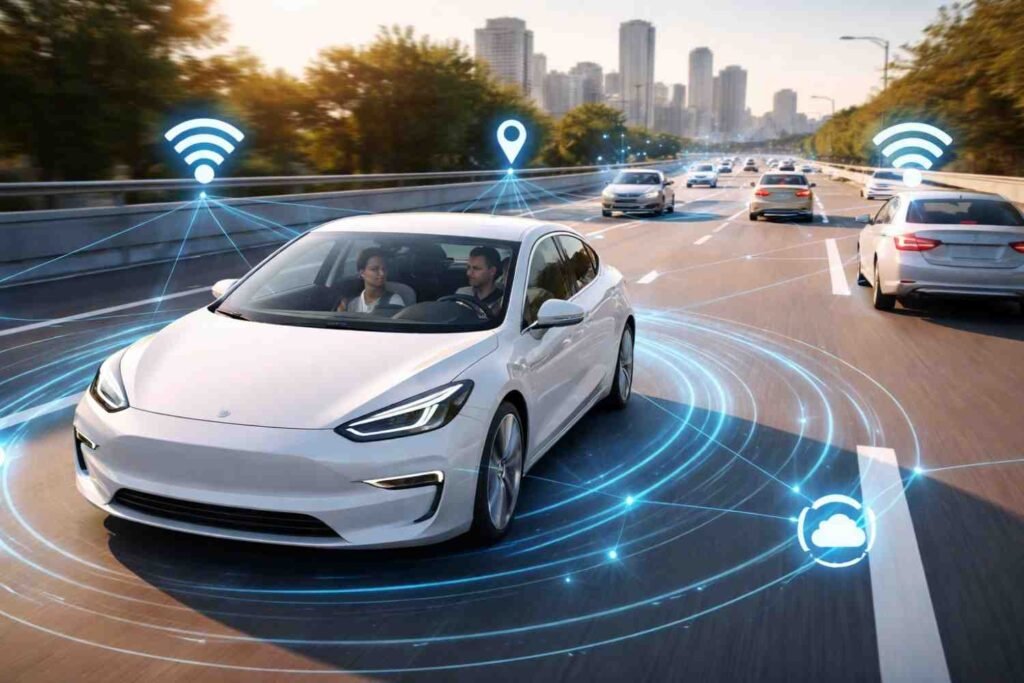
Self-driving cars’ future technology is developing quickly, and transportation will likely look very different in the coming decades. The concept of Autonomous, Connected, Electric, and Shared vehicles is becoming more realistic.
Future transportation may include:
- Self-driving cars
- Delivery drones
- Smart traffic systems that reduce congestion
- High-speed transport systems like hyperloop
- Electric vehicles with advanced battery technology
Transportation may become safer, faster, and more efficient, and commuting could become a productive time instead of wasted time.
Energy and Infrastructure Will Become Smarter
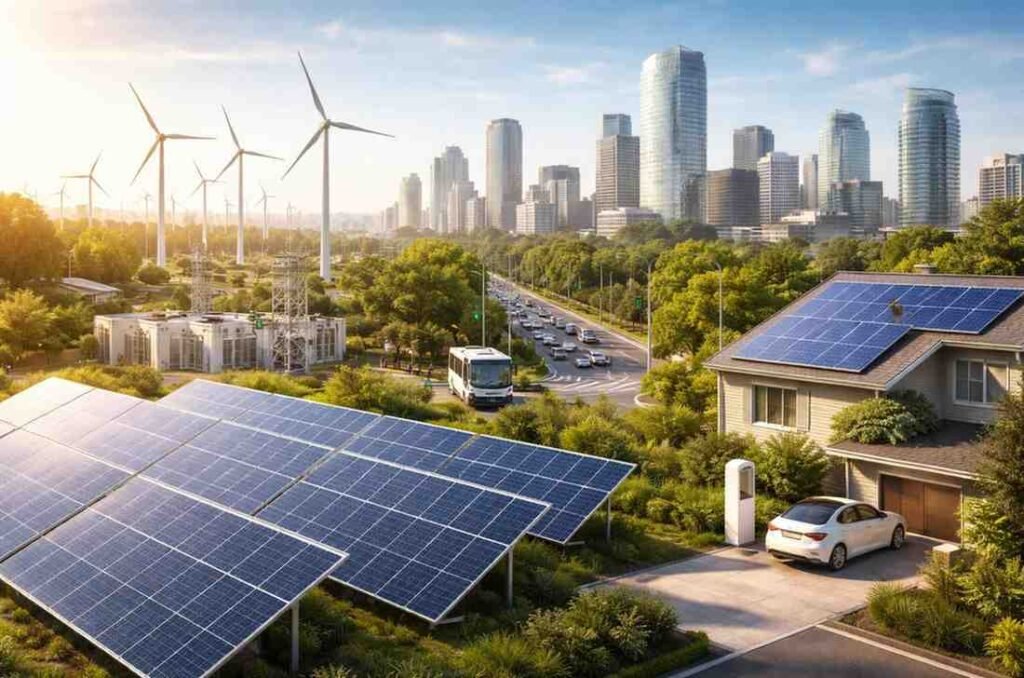
Future technology trends are not just about devices; they also include infrastructure and energy systems. Scientists are developing structural battery materials that can store energy while supporting weight, which could make vehicles lighter and more efficient.
There are also innovations like:
- Nuclear fusion energy
- Sand batteries for energy storage
- Self-healing concrete
- Smart cities technology that manages traffic, energy, and waste automatically
Cities may become more efficient, environmentally friendly, and easier to live in because of these innovations.
Communication and Digital Interaction Will Change Completely

Future communication technology will go far beyond everyday gadgets, smartphones, and video calls. With faster connectivity like 6G and advanced virtual reality, communication could become immersive.
Possible future communication innovations include:
- Hologram meetings
- Virtual reality workspaces
- Digital environments for education
- Touch and smell simulation in virtual environments
- Brain-computer interfaces
Brain-computer interfaces could allow people to control devices using thoughts, which could be life-changing for people with disabilities and could also change how humans interact with technology.
Robotics Will Become Part of Daily Life
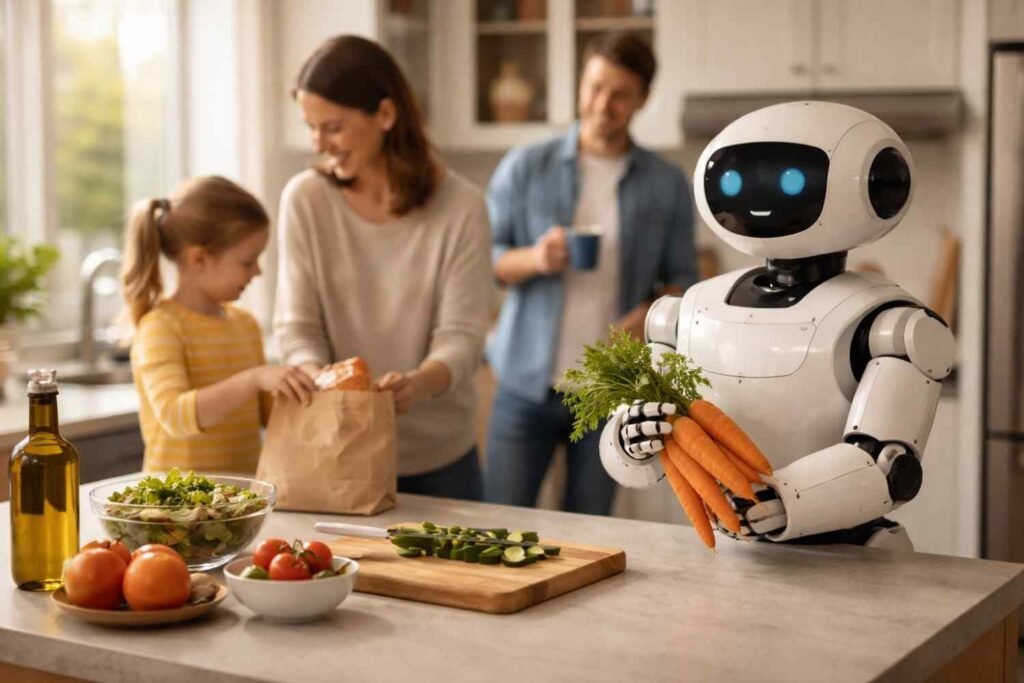
Robotics in everyday life is expected to increase significantly. Robots may not just be used in factories but also in homes, hospitals, and workplaces.
Future robots may:
- Help elderly people at home
- Deliver packages
- Assist in surgeries
- Clean homes and offices
- Work in warehouses and logistics
Automation and jobs future discussions often focus on job loss, but many experts believe automation will also create new types of jobs and industries.
Challenges That Come With Future Tech Innovations
While future innovations in technology will improve many aspects of life, there are also challenges that need to be addressed.
Some major concerns include:
- Job displacement due to automation
- Data privacy and security
- Dependence on technology
- Cybersecurity risks
- Ethical concerns with AI and biotechnology
Technology will improve life in many ways, but managing these risks will be very important.
FAQs: Future Tech Innovations That Will Change Everyday Life
1. What are future tech innovations?
Future tech innovations are new and emerging technologies like artificial intelligence, smart homes, robotics, advanced healthcare technology, and autonomous vehicles that will change how people live and work.
2. How will future technology affect everyday life?
Future technology will automate daily tasks, improve healthcare, change transportation, enable smarter homes, and make communication faster and more immersive.
3. Which future technology will have the biggest impact?
Artificial intelligence, healthcare technology, autonomous vehicles, smart cities, and clean energy technologies are expected to have the biggest impact on everyday life.
4. Will automation replace jobs in the future?
Automation will replace some repetitive jobs, but it will also create new jobs in technology, robotics, data analysis, and digital services.
Final Thoughts
Future tech innovations are not just about advanced machines or complex systems; they are about changing how everyday life works. Many of the technologies that sound futuristic today are already being tested or slowly introduced into daily life. Artificial intelligence, smart homes, healthcare technology, robotics, and new energy systems will likely become normal parts of life over time. The biggest change will be that technology will move from something we actively use to something that works around us automatically.
The future will not arrive all at once, but small innovations will continue to change daily life step by step until life looks very different from today.