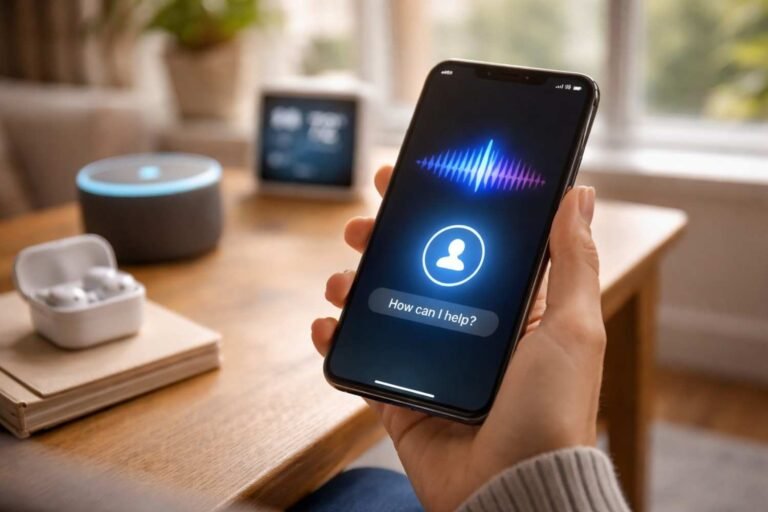

Artificial intelligence used to feel like something far away, something only tech companies or scientists talked about. Now it quietly sits inside everyday tools and systems most people use without even thinking about it. From the moment we wake up and check our phones to the time we order food or watch a show at night, artificial intelligence is working in the background, making decisions, suggestions, and predictions.
What makes AI truly important is not just that it is advanced technology, but that it is becoming part of normal life and work. It is changing how people communicate, travel, shop, learn, and even manage money. Many people think they do not use artificial intelligence, but the reality is they interact with it dozens of times every single day.
Why Artificial Intelligence Is Important Today
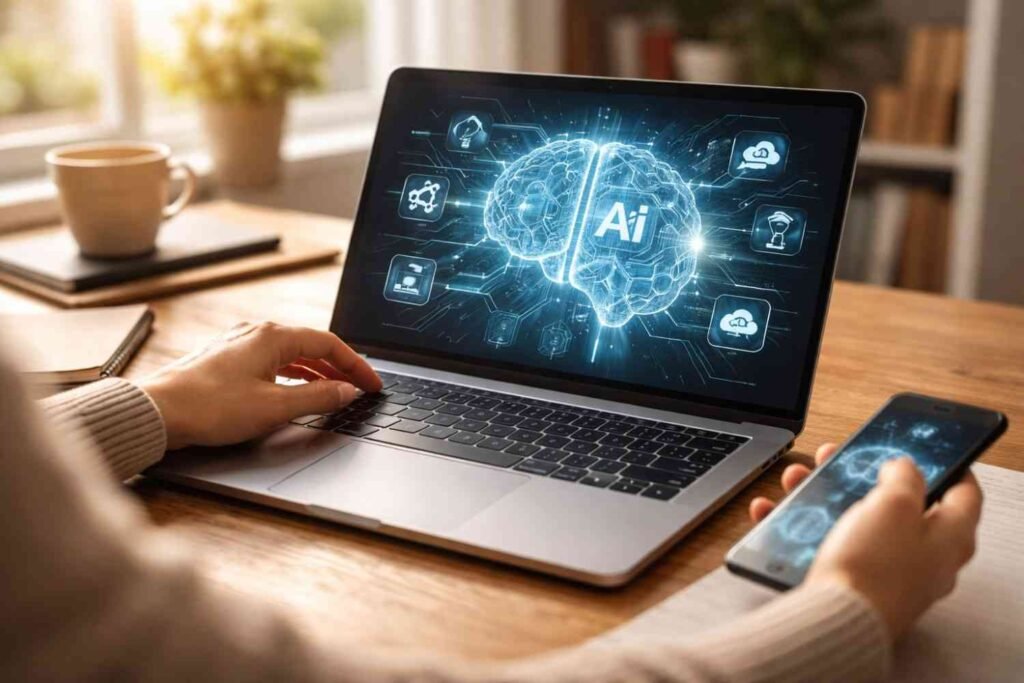
The importance of artificial intelligence comes down to one main thing: it helps humans do things faster, smarter, and more efficiently. AI can process massive amounts of data in seconds, recognize patterns, and make predictions that would take humans days or even weeks to figure out.
Businesses use artificial intelligence to automate repetitive work, analyze customer behavior, and improve decision-making. This allows companies to focus more on strategy, creativity, and growth instead of manual tasks. This is one of the biggest reasons artificial intelligence in business is growing so quickly.
Artificial intelligence is also important because it improves accuracy. Humans make mistakes when they are tired or overloaded with work, but AI systems can monitor data continuously without getting exhausted. This is especially important in areas like finance, healthcare, and transportation, where mistakes can be very costly.
Another major reason AI matters is personalization. Most digital platforms today use AI to learn user behavior and preferences. Over time, systems become better at recommending products, music, movies, and even news content that matches individual interests.
Artificial Intelligence In Daily Life

Artificial intelligence in daily life is more common than most people realize. Many everyday apps and services rely heavily on machine learning and automation to function properly.
Some common AI in everyday life examples include:
- Email spam filters and smart replies
- Voice assistants and speech recognition
- Navigation and traffic prediction
- Shopping recommendations
- Fraud detection in banking
- Streaming platform recommendations
- Customer service chatbots
- Smart home devices
These systems work by analyzing user behavior, data patterns, and past actions to predict what the user might need next. Over time, the system becomes more accurate and more personalized.
For example, navigation apps can predict traffic and suggest faster routes, streaming platforms recommend shows based on viewing history, and online stores recommend products based on previous purchases. All of this is powered by artificial intelligence working in the background.
Artificial Intelligence At Work And In Business
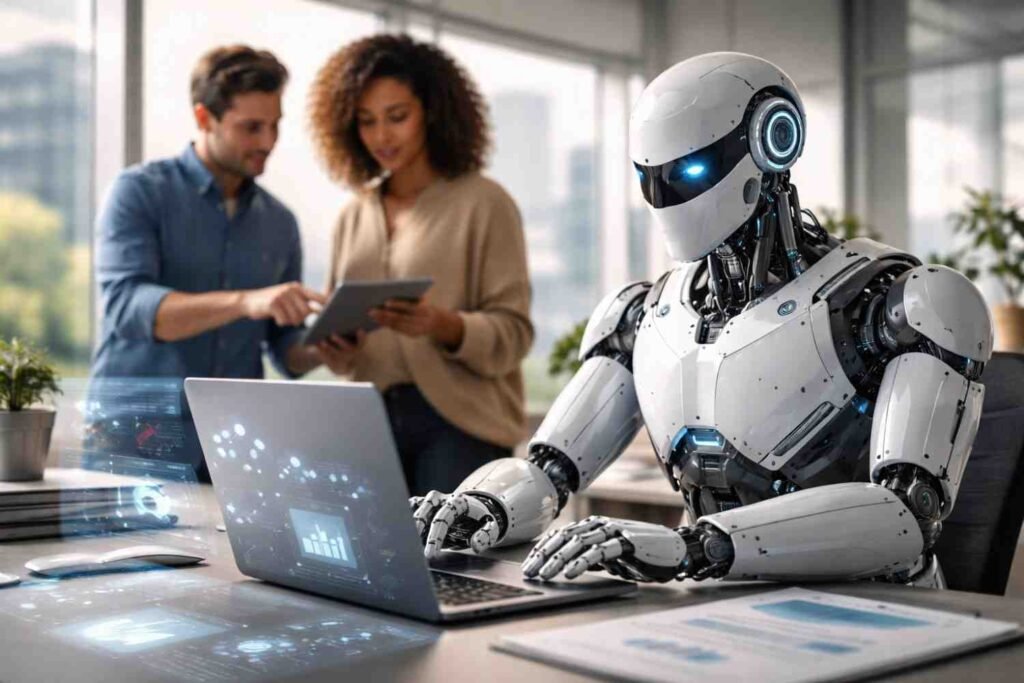
Artificial intelligence is also transforming workplaces and business operations. Many companies use AI tools for automation, data analysis, customer service, hiring, marketing, and forecasting.
Instead of employees spending hours doing repetitive tasks like data entry, scheduling, or report generation, AI systems can handle these tasks automatically. This improves productivity and allows employees to focus on more meaningful and creative work.
Artificial intelligence in business is commonly used for:
- Customer support chatbots
- Email filtering and sorting
- Sales forecasting
- Marketing personalization
- Resume screening and hiring systems
- Fraud detection
- Inventory management
- Data analysis and reporting
This shift toward automation and digital transformation is one of the biggest reasons AI is becoming essential in modern organizations.
Artificial Intelligence In Healthcare And Education

Artificial intelligence in healthcare is helping doctors detect diseases earlier, analyze medical images, and improve diagnosis accuracy. AI systems can scan thousands of medical records and images quickly and identify patterns that humans might miss.
In education, artificial intelligence is changing how people learn. Learning platforms now use AI to personalize lessons, track student progress, and recommend study material based on performance. This makes learning more personalized instead of one-size-fits-all.
AI is also used in language learning apps, online courses, and virtual tutoring systems, making education more accessible and flexible.
The Future Impact Of Artificial Intelligence
The future of artificial intelligence will likely focus on collaboration between humans and machines rather than replacing humans completely. AI will handle repetitive, data-heavy, and predictable tasks, while humans will focus on creativity, problem-solving, communication, and strategy.
We will likely see more AI in transportation, smart homes, education, healthcare, finance, and customer service. Many jobs will change, new jobs will be created, and many industries will become more automated and data-driven.
Artificial intelligence will continue to shape how businesses operate, how people learn, and how everyday tasks are completed. Instead of being something special or rare, AI will become a normal part of daily life, just like the internet and smartphones did.
FAQs: Why Artificial Intelligence Is Important And How It Impacts Daily Life
1. What Is Artificial Intelligence In Simple Words?
Artificial intelligence is technology that allows machines and computers to perform tasks that normally require human intelligence, such as learning, problem-solving, decision-making, and understanding language.
2. How Is Artificial Intelligence Used In Daily Life?
Artificial intelligence is used in navigation apps, streaming recommendations, online shopping suggestions, voice assistants, fraud detection, email filtering, and customer service chatbots.
3. Why Artificial Intelligence Is Important For The Future?
Artificial intelligence is important for the future because it improves productivity, automates repetitive work, helps analyze data, improves decision-making, and supports innovation across many industries.
4. What Are The Main Benefits Of Artificial Intelligence?
The main benefits include automation, improved accuracy, faster data analysis, better personalization, improved productivity, fraud detection, and better healthcare and education systems.
Final Thoughts
Artificial intelligence is important not because it is advanced technology, but because it is quietly becoming part of everyday life and work. Most people already use AI multiple times a day without realizing it, whether they are checking email, using navigation, shopping online, or watching recommended content. AI is helping people save time, make better decisions, and automate repetitive tasks, which is why it is becoming essential in both personal and professional life.
As technology continues to evolve, artificial intelligence will not feel like something new or complex. It will simply become another normal tool that people use every day without thinking about it.