I didn’t plan to rely on AI powered gadgets, but somewhere between my morning coffee and late-night work sessions, they quietly became part of my routine. What started as curiosity turned into something much more practical.
Now, instead of juggling notes, reminders, and tasks, I let these tools handle the background work while I stay focused on what actually matters. The biggest shift? Everything feels smoother, faster, and oddly less stressful.
How did AI powered gadgets simplify my everyday routine?
My day used to start with checking my phone, scanning emails, and trying to remember what I needed to do. Now, I rely on devices that organize things before I even think about them.
For example, my wearable note device captures ideas while I talk. I don’t open apps or type anything. I just speak naturally, and later I find clean summaries waiting for me. That alone changed how I approach meetings and brainstorming.
Even small things feel easier. My devices sync across my home setup, so reminders, schedules, and updates follow me without effort. It feels less like using technology and more like having quiet support throughout the day.
Why are AI powered gadgets becoming a “second brain”?

I used to rely on sticky notes, scattered apps, and memory. That system failed me more often than I’d like to admit. Now, I treat my AI tools like an extension of my thinking.
Devices like wearable recorders capture conversations and turn them into structured notes. I don’t worry about missing details anymore. I stay present, and the gadget handles documentation.
Over time, I noticed something interesting. My mental load dropped. I stopped trying to remember everything and started focusing on decisions and creativity. That shift made me more productive without working longer hours.
Which AI powered gadgets actually made a difference for me?
Not every device lives up to the hype, but a few stand out because they solve real problems.
Here’s a simple comparison based on my experience:
| Gadget | What I Use It For | Why It Matters |
| PLAUD AI NotePin | Recording meetings & ideas | Saves hours of note-taking |
| Ray-Ban Meta Smart Glasses | Hands-free assistance & quick captures | Keeps me off my phone |
| Timekettle AI Earbuds | Real-time translation | Makes global calls easier |
| Rabbit r2 | Task automation | Handles multi-step actions quickly |
The biggest difference comes from how these devices work together. They don’t feel like separate tools. They feel like one connected system that supports my day.
Can AI powered gadgets actually improve productivity?
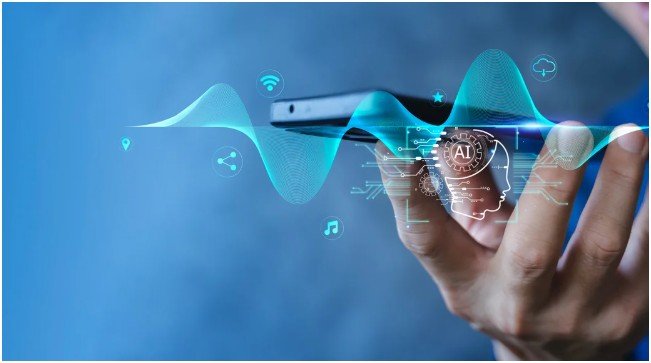
I used to think productivity meant doing more. Now I see it differently. It’s about removing friction.
When I walk into a meeting, I don’t prepare to take notes anymore. I focus on listening and contributing. Later, I review structured summaries that are more organized than anything I would have written.
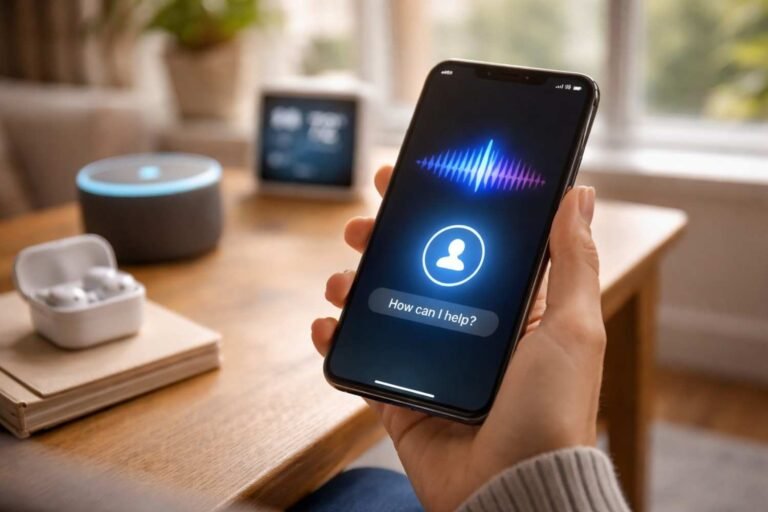
I also spend less time switching between apps. My AI assistant handles tasks like scheduling, reminders, and even small research queries. That saves minutes throughout the day, which adds up quickly.
What surprised me most is how natural it feels. I don’t feel like I’m using “advanced tech.” It just fits into my routine without forcing me to change how I work.
How do AI powered gadgets fit into a smart home lifestyle?
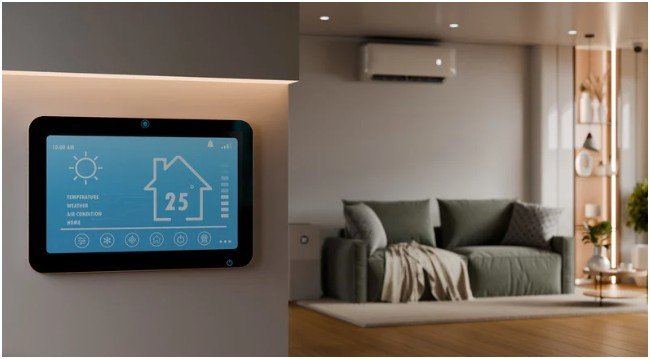
At home, these every day gadgets for you go beyond productivity. They shape how I relax and manage my environment.
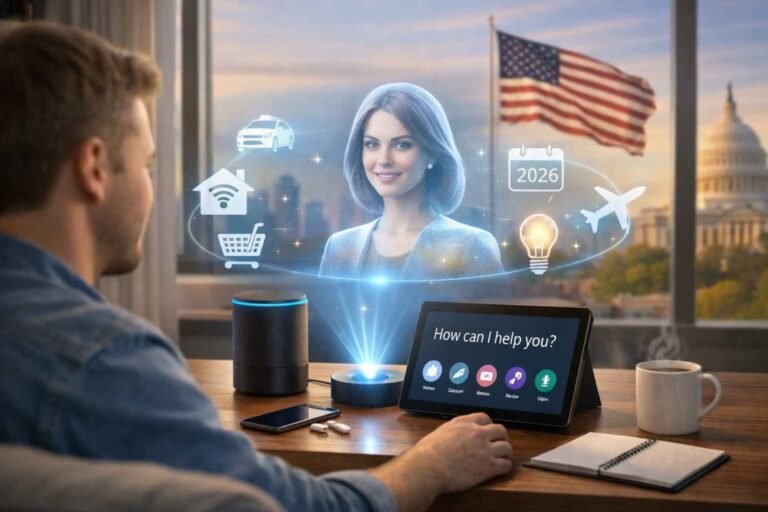
My smart display adjusts routines based on my habits. Lights dim, reminders pop up, and my schedule updates without manual input. It feels like my home understands my rhythm.
Even comfort improves. My smart AC adjusts temperature based on room conditions and my presence. I don’t touch the controls anymore. It simply works in the background.
This kind of automation doesn’t feel flashy. It feels practical. It removes small decisions that used to interrupt my flow.
How to start using AI powered gadgets without overwhelm
When I first explored this space, I made the mistake of trying too many devices at once. That only created confusion.
Now I follow a simple approach that actually works.
First, I pick one problem to solve. For me, it was note-taking. I chose a wearable AI recorder and focused on using it daily. I built the habit before adding anything else.
Next, I connect it to my existing ecosystem. Whether it’s Alexa, Google Home, or Apple HomeKit, integration matters. Devices work better when they communicate with each other.
Then, I gradually expand. Once I feel comfortable, I add another gadget that solves a different problem, like translation or task automation.
This step-by-step approach keeps things simple and prevents tech overload.
What should you look for before buying AI powered gadgets?
Not all gadgets deliver real value, so I pay attention to a few key things before investing.
I look for devices that offer on-device processing. That means faster responses and better privacy. It also reduces reliance on constant internet access.
I also check ecosystem compatibility. A device that works seamlessly with my existing setup saves time and avoids frustration.
Finally, I focus on real use cases. If a gadget doesn’t solve a daily problem, it usually ends up unused. Practical value always wins over flashy features.
Key Takeaways
- AI powered gadgets act like a second brain and reduce mental load
- Wearables and assistants save time by automating routine tasks
- Integration with smart ecosystems improves overall experience
- Starting small helps build habits without overwhelm
- Practical use matters more than advanced features
FAQs About AI powered gadgets
1. Are AI powered gadgets worth it for everyday use?
Yes, if they solve a real problem. I found the most value in tools that save time daily, like note-taking and scheduling. They quickly become part of your routine.
2. Do AI powered gadgets replace smartphones?
Not completely. They reduce how often I use my phone, but I still rely on it for certain tasks. Think of them as companions, not replacements.
3. Are these gadgets hard to set up?
Most modern devices feel straightforward. Once I connected them to my ecosystem, everything started working smoothly without constant adjustments.
4. Is privacy a concern with AI powered gadgets?
It can be, which is why I prefer devices with on-device processing. That keeps more data local and gives me better control over my information.
So… did AI powered gadgets quietly take over my life?
Honestly, yes—but in the best way.
They didn’t disrupt my routine. They improved it. I didn’t need to learn complex systems or change how I work. I just added small tools that solved real problems.
Now my days feel lighter. I spend less time managing tasks and more time actually doing meaningful work.
If I had to give one tip, it would be this: start with one device that solves your biggest daily frustration. Once you feel the difference, everything else falls into place naturally.