
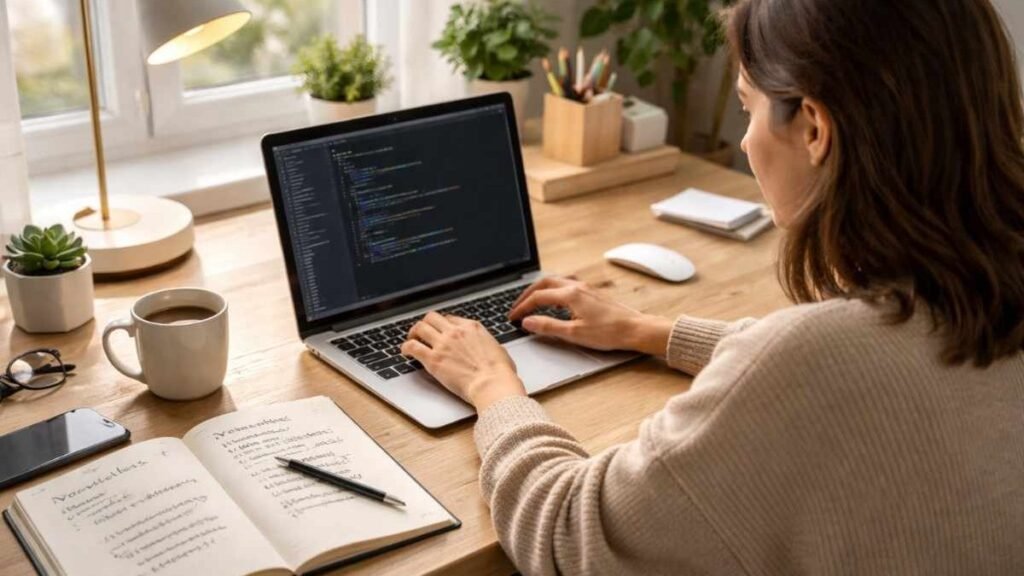
I still remember opening my laptop with excitement and then freezing because I had no idea where to begin. That confusion pushed me to build my own coding skills for beginners guide, not from theory, but from real trial, messy practice, and small daily wins that finally made things click.
If you feel overwhelmed right now, you are not alone. I have been exactly where you are, and I promise it gets easier once you follow a simple, practical path.
Learn by Doing from Day One
When I first started, I thought I needed to understand everything before writing code. That slowed me down. The moment I switched to learning by doing, everything changed.
Instead of memorizing syntax, I began solving small problems. Even when I made mistakes, I understood concepts faster because I was actively using them. Coding is not about perfection. It is about progress. The faster you start doing, the faster you start understanding how things actually work.
Pick Your First Language and Stick With It
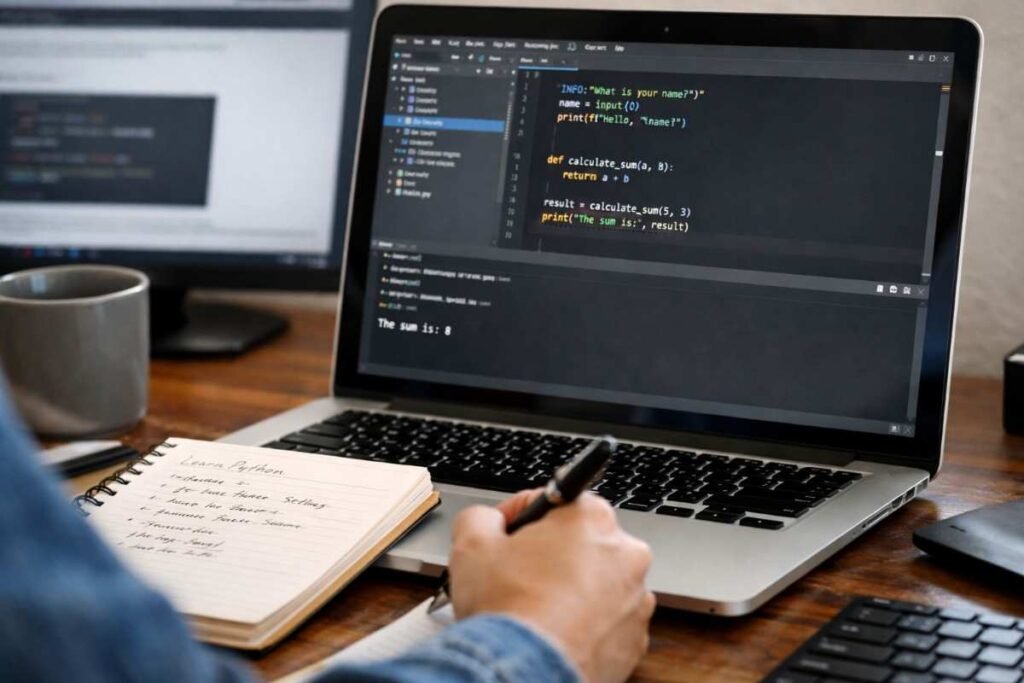
One of the biggest mistakes I made was overthinking which language to start with. I kept comparing options and delayed actually learning anything.
When I finally picked one language and stuck with it, I started seeing real progress. Python worked great for me because it reads almost like English, which made it easier to understand. If you want to build websites, JavaScript is a strong choice. If you prefer visual structure, HTML and CSS give you a great entry point. The key is not the language, it is consistency.
Master the Core Basics First
At the beginning, everything feels new and confusing. That is why focusing on core concepts helped me build a strong foundation.
Variables taught me how to store information. Data types helped me understand what kind of data I was working with. Control flow showed me how programs make decisions.
Loops and functions made coding powerful. Once I understood how to repeat tasks and reuse code, I felt like I had real control over what I was building.
Use Structured Platforms That Actually Teach
I wasted time jumping between random tutorials until I found structured platforms that guided me step by step. Platforms like freeCodeCamp and Codecademy helped me practice while learning. I was not just watching, I was typing and building at the same time.
The Odin Project pushed me to build real projects, which made learning feel practical. Structured learning saved me from getting stuck and kept me moving forward.
Build the Right Tools and Daily Habits
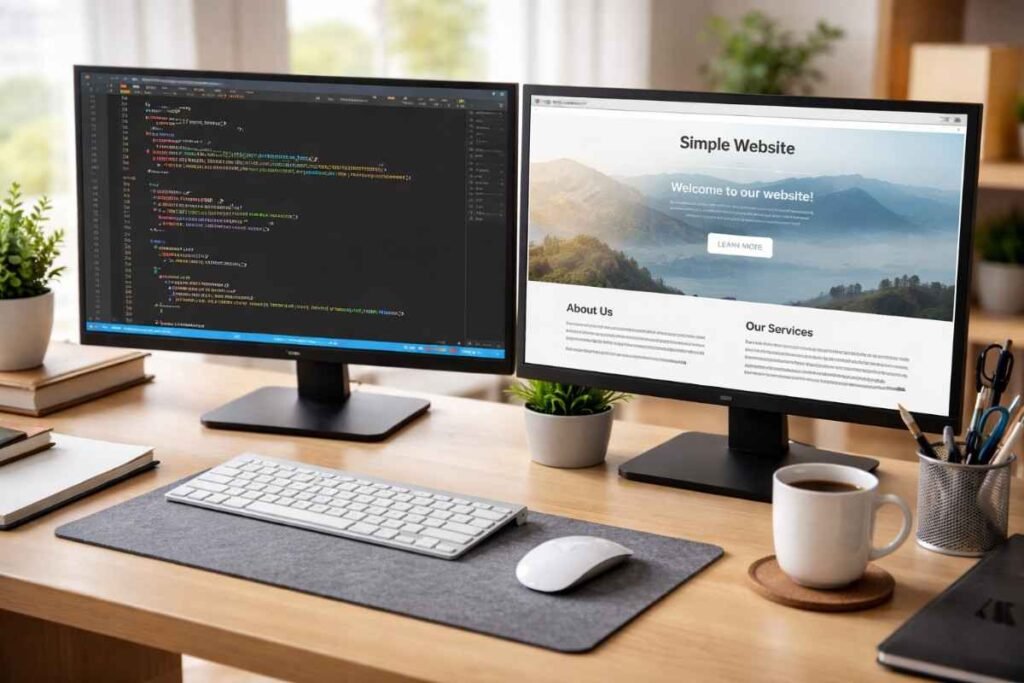
Once I started using the right tools, my workflow improved instantly. Visual Studio Code became my main coding space, and it made everything more organized. Daily practice made the biggest difference. Even short sessions kept concepts fresh in my mind and helped me avoid starting from scratch each time.
Debugging became a skill I learned over time. Reading error messages and searching for solutions helped me become more independent and confident.
Start Small Projects Early for Confidence
I used to wait until I felt ready before building anything. That was a mistake. Real learning started when I began building small projects, even if they were not perfect.
Creating a simple calculator or a basic to do list helped me connect concepts. I could see how everything worked together instead of learning things in isolation.
These small projects also gave me motivation. Every completed project, no matter how simple, felt like progress and pushed me to keep going.
Step by Step Way to Learn Coding Skills Faster
The process that worked for me started with setting a clear goal. I chose something small, like building a simple website, so I had direction instead of learning randomly.
Next, I picked one language and stayed focused on it. I avoided switching because that only created confusion. This helped me build confidence faster.
After that, I learned the basics and immediately applied them. I did not wait to feel ready. I wrote code, made mistakes, and fixed them as I went.
Then I built small projects alongside learning. This made everything stick. I also made coding part of my daily routine, even if it was just 30 minutes.
Over time, this consistent approach turned confusion into clarity. It was not about speed, it was about steady progress.
Beginner Mistakes That Slow You Down
One mistake I made was relying too much on tutorials. It felt productive, but I was not truly learning until I started writing code myself.
Another mistake is trying to learn multiple languages at once. It slows you down and makes things confusing. Focus on one and build a strong base.
Comparing yourself to others is also a trap. Everyone learns at a different pace. Focus on your own progress and celebrate small wins.
What Works vs What Wastes Your Time
Understanding what works and what does not helped me stay on track and avoid wasting time.
| Ineffective Approach | Effective Approach |
| Watching tutorials only | Practicing daily |
| Switching languages often | Sticking to one language |
| Avoiding mistakes | Learning from errors |
| Waiting to feel ready | Building early |
This shift in approach made my learning faster and more enjoyable.
Frequently Asked Questions
1. What is the best way to start coding as a beginner?
Start with one language and practice daily. Focus on building small projects instead of just watching tutorials.
2. How long does it take to learn basic coding skills?
With consistent practice, you can understand basics in 2 to 3 months and start building simple projects.
3. Do I need expensive tools to learn coding?
No, free tools like Visual Studio Code and online platforms are enough to get started.
4. How do I stay consistent with coding?
Set a daily routine and keep sessions short. Even 30 minutes a day can create strong momentum.
Start Coding Today
This coding skills for beginners guide is built on real experience, not theory. Start small, stay consistent, and focus on doing instead of overthinking. Coding becomes easier when you treat it like a daily habit. Keep showing up, and you will be surprised how quickly things start to make sense.