
I used to think cozy homes came down to buying softer throws or warmer lamps. But the more thoughtfully designed spaces I spent time in, the more I noticed something deeper happening. The rooms that felt truly comforting weren’t necessarily filled with expensive furniture; they were layered, intentional, and quietly personal. You could sense that someone actually lived there, not just decorated it.
That’s the difference designers create in their own homes. They don’t chase trends or overload rooms with décor. Instead, they shape atmosphere through layout, texture, light, and subtle sensory details. Once you start noticing these choices, cozy design stops feeling mysterious. It becomes a series of small, deliberate decisions that make a space feel softer, warmer, and more human.
Designers Layer Comfort Instead of Adding More Décor
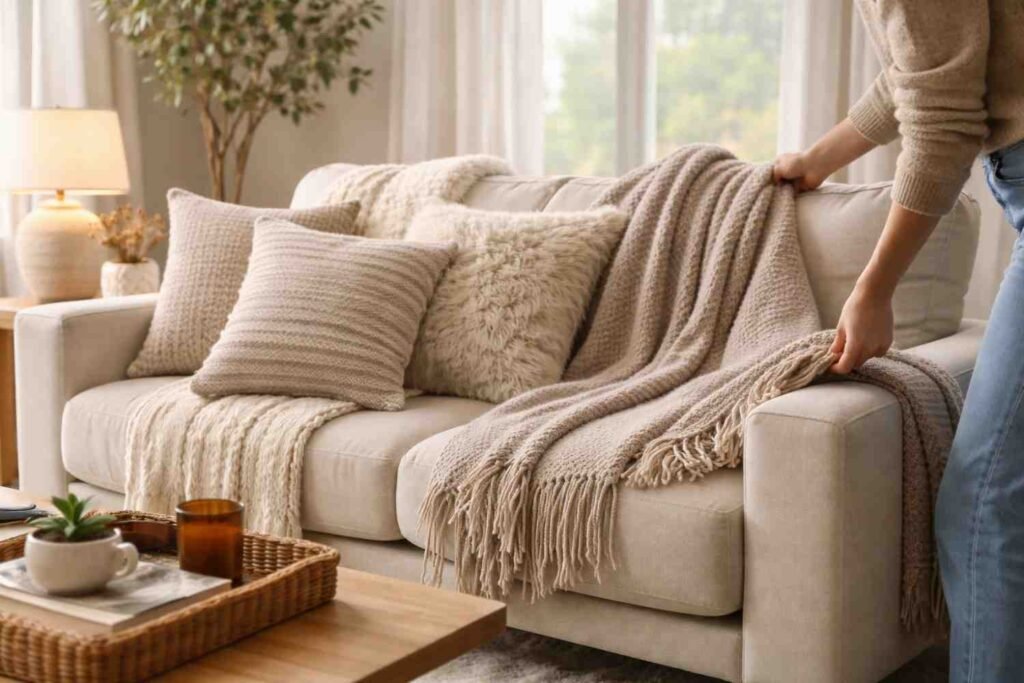
A common misconception is that coziness comes from adding more items. Designers do the opposite. They focus on layering textures so a room feels visually and physically soft without becoming cluttered.
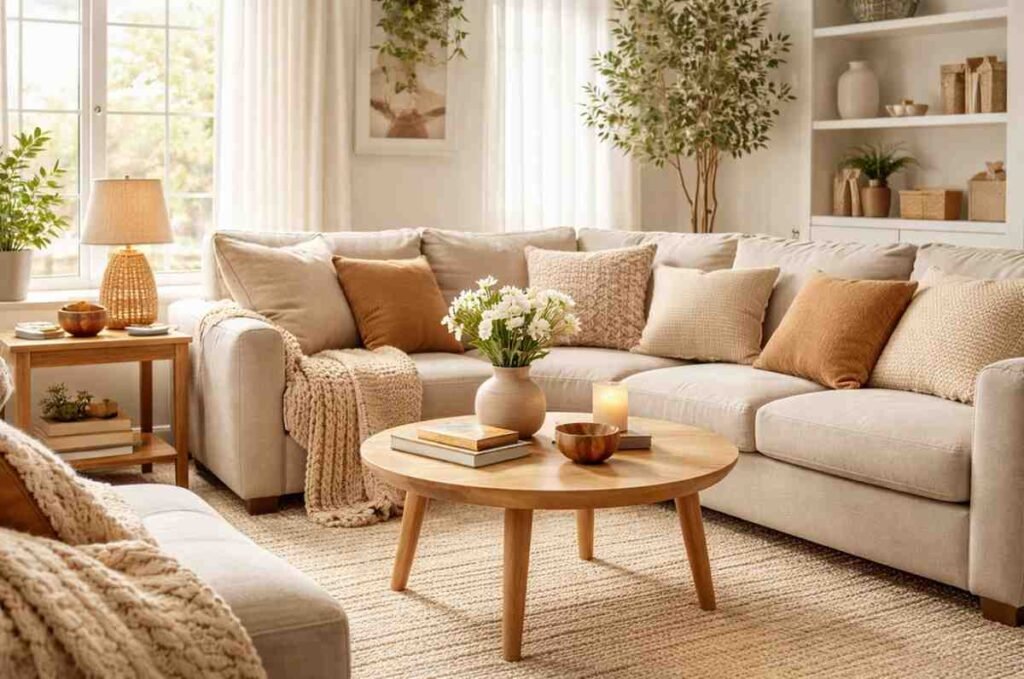
Instead of a single rug, they might place a smaller patterned rug over a large natural fiber base. Pillows aren’t matched sets; they’re mixed fabrics like velvet, linen, and boucle. Throws vary in weight and weave. This layering creates depth, which the eye reads as warmth.
One subtle trick designers use is the oversized pillow insert. When the insert is slightly larger than the cover, pillows look plush and relaxed rather than flat. It’s a tiny change that instantly makes seating feel inviting.
Cozy Layout Starts With Floating, Not Walls
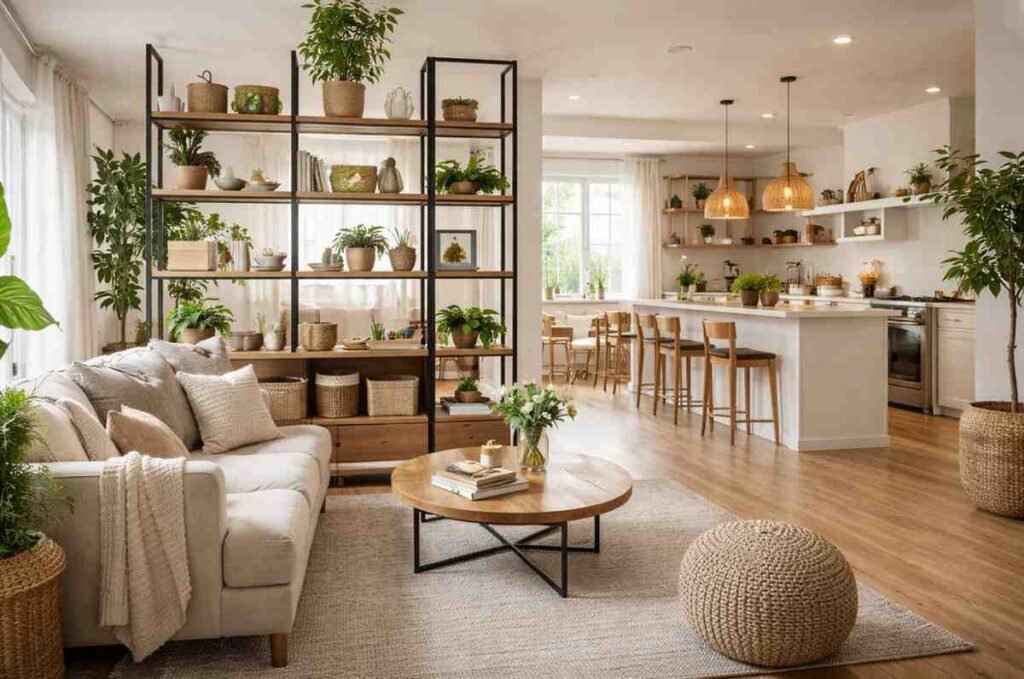
Many homes feel less comfortable simply because of how furniture is placed. Pushing everything against the walls can leave the center of a room empty and disconnected. Designers rarely do this in their own spaces.
Instead, they float sofas and chairs slightly inward to create intimate zones. Even in open rooms, this establishes a sense of enclosure which people subconsciously associate with safety and comfort. A rug often anchors this zone so it feels grounded rather than random.
When seating faces inward instead of outward, conversation and relaxation feel natural. The room stops looking staged and starts functioning like a place people actually gather.
Lighting Should Feel Like Warm Pockets, Not a Spotlight
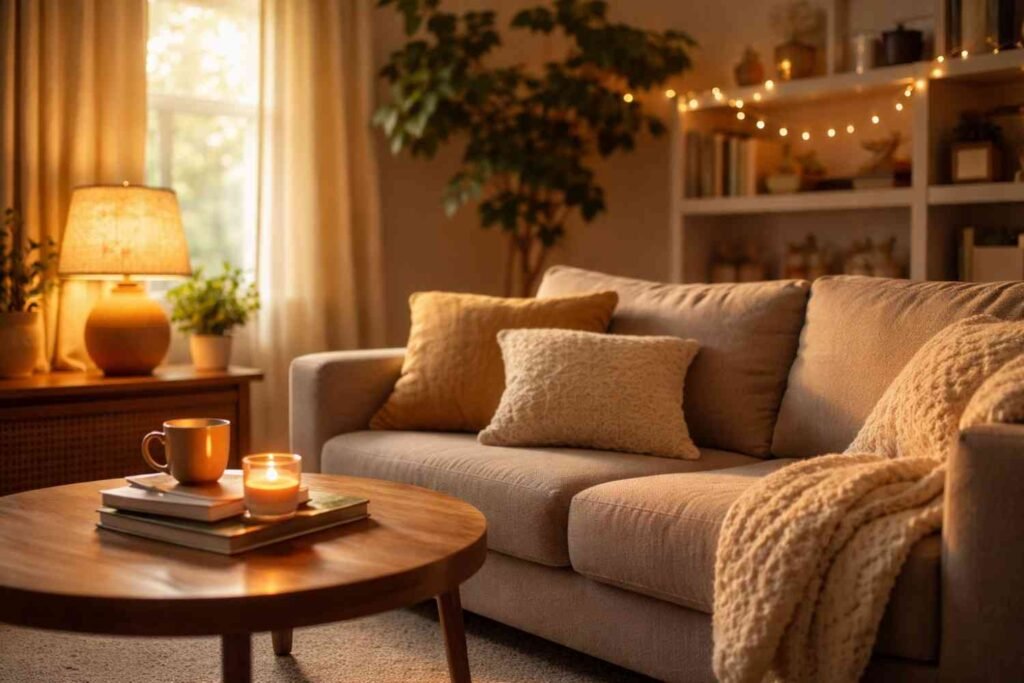
Overhead lighting alone almost always makes a room feel flat. Designers build layered lighting so illumination happens in gentle pools rather than one harsh source.
They use table lamps, floor lamps, and candles at varied heights to create what feels like islands of light. This variation adds depth and shadow, which the brain interprets as warmth. Even bright rooms feel softer this way.
Warm bulbs also matter more than people realize. Slightly golden light reduces contrast and makes textures, fabrics, wood, and walls appear richer. It’s why the same room interior ideas can feel completely different depending on lighting placement.
Surface Styling Follows the Rule of Three
Designers rarely scatter décor randomly. They group objects into small compositions that feel balanced without looking arranged. A common approach is styling in threes with varied height and texture.
For example, a stack of books, a ceramic vase, and a candle form a natural vignette. The difference in scale and material keeps the grouping relaxed rather than symmetrical. This prevents surfaces from feeling empty or overfilled.
What makes these arrangements feel cozy is that they resemble collected moments, not store displays. Objects look placed over time, even if they were styled intentionally.
Warm Neutrals Create a Soft Visual Envelope
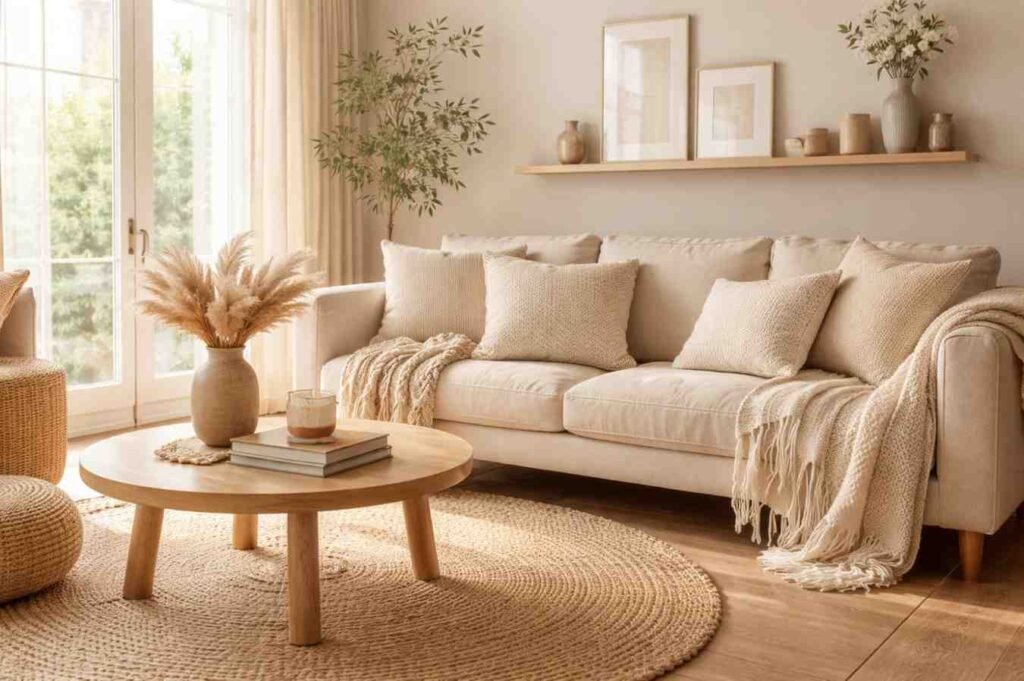
Color plays a quiet but powerful role in coziness. Designers often choose warm-leaning neutrals rather than stark whites or cool grays. Shades like cream, oatmeal, soft beige, and muted taupe create a gentle backdrop that feels enveloping.
These tones reflect light softly instead of sharply, which reduces visual tension in a room. Walls stop feeling like boundaries and start feeling like part of the atmosphere.
When furniture and textiles stay within this warm range, the space feels cohesive without being monochrome. Subtle variation keeps it interesting while maintaining calm.
Designers Build Sensory Layers, Not Just Visual Ones
The most comfortable homes engage more than sight. Texture, scent, and even sound contribute to how a room feels. Designers intentionally add these sensory layers.
Natural materials like wood, linen, wool, and stone introduce tactile variety. Plants or branches bring organic softness. Even small natural elements shift the emotional tone of a space toward calmness.
Scent is another often overlooked layer. A consistent, subtle fragrance like vanilla, sandalwood, or coffee creates familiarity. Over time, the brain associates that scent with comfort and home, reinforcing coziness the moment someone enters.
Windows and Walls Shape Perception of Warmth
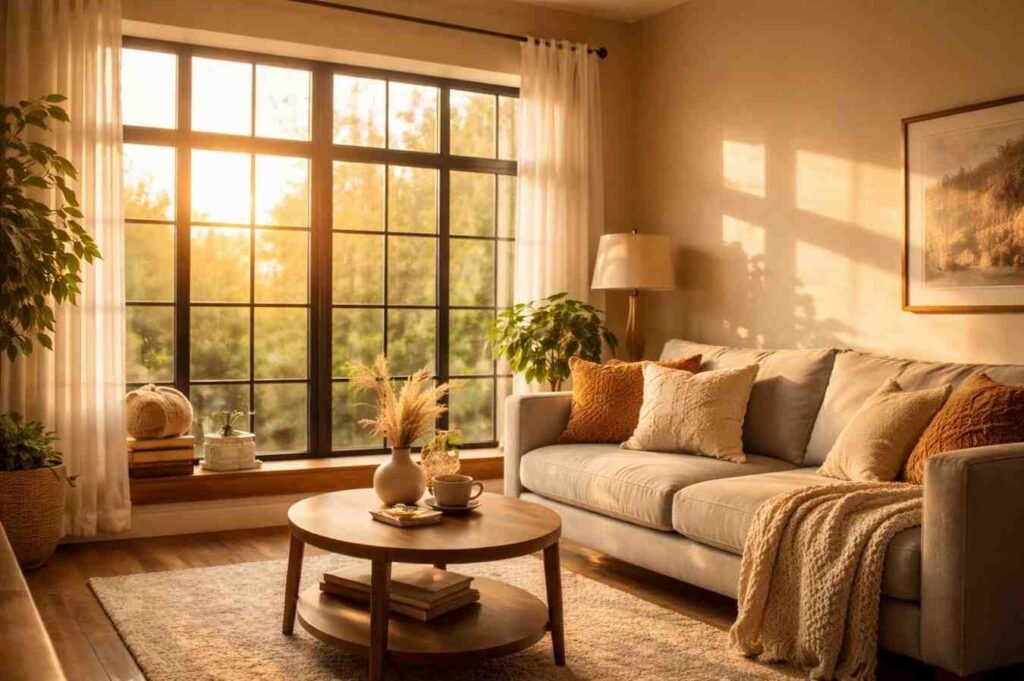
Spatial perception affects comfort more than most people realize. Designers adjust window treatments and wall tone to influence how large or intimate a room feels.
Hanging curtains higher and wider than the window frame makes ceilings feel taller and walls broader. This creates an airy softness rather than a boxed-in look. Full-length drapery also adds vertical texture, which visually warms a room.
Warm neutral wall colors enhance this effect. Instead of a stark contrast between surfaces, edges blur slightly. The result is a space that feels gentle and continuous rather than sharp and segmented.
Quick Designer Cozy Styling Habits
These are small adjustments designers consistently use at home:
- Mix at least three textures in every seating area
- Use pillow inserts slightly larger than covers
- Layer two or more light sources per room
- Float seating inward instead of wall-lining
- Style surfaces in grouped vignettes
- Add one natural or living element per space
Why These Choices Feel Cozy to the Brain
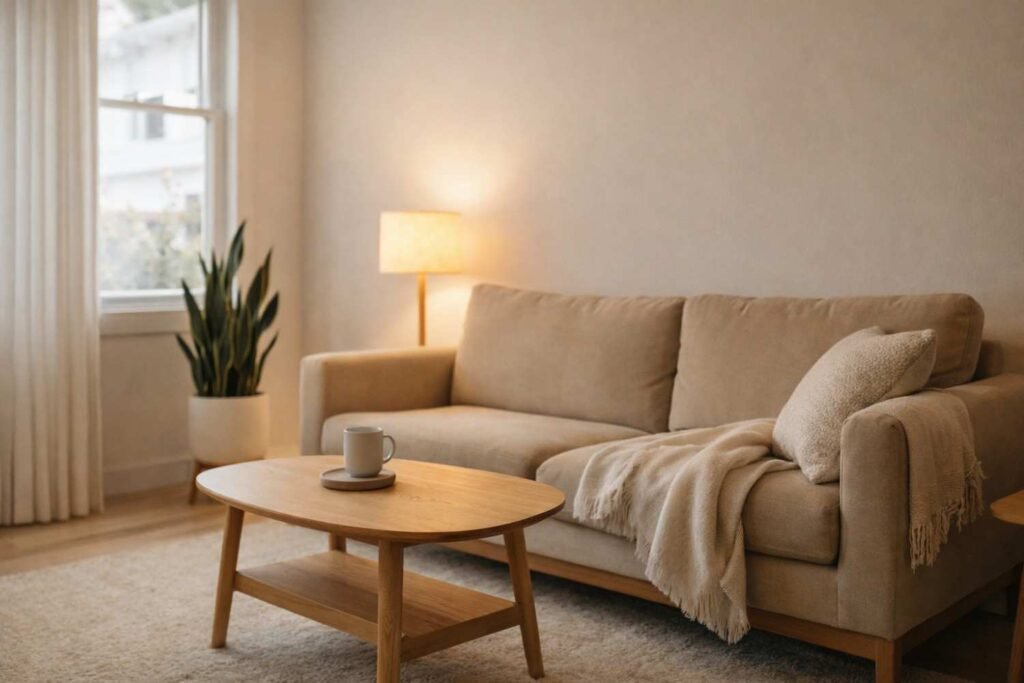
Comfort in interiors isn’t only aesthetic, it’s psychological. Humans relax more in environments that feel enclosed, warm, layered, and familiar. Designers intuitively build these signals into spaces.
Soft edges, warm tones, and varied texture reduce visual stress. Layered lighting lowers contrast and glare. Personal objects trigger memory and belonging. Floating layouts create social intimacy. Together, these cues communicate safety and calm.
That’s why some rooms feel instantly comfortable even before you consciously notice details. The atmosphere is doing the work quietly.
Frequently Asked Questions: Cozy Home Styling Ideas That Designers Secretly Use at Home
1. What makes a home feel cozy rather than cluttered?
Coziness comes from layered textures and warm lighting, not excess décor. When items vary in material and height but stay within a cohesive palette, a room feels rich instead of busy.
2. How do designers make neutral rooms feel warm?
They choose warm-leaning neutrals, mix tactile materials like linen and wool, and add layered lighting. These soften contrast and create visual depth within a neutral palette.
3. Why do designers avoid pushing furniture against walls?
Floating furniture inward creates intimate zones and better flow. People naturally feel more comfortable in defined seating areas rather than along room edges.
4. What is the easiest way to make a room instantly cozier?
Add layered lighting at different heights and mix two to three textures on seating. These changes immediately increase warmth and depth without new furniture.
Final Thoughts
Cozy homes aren’t created by buying more things or following seasonal trends. They emerge from intentional layering of light, texture, layout, and personal meaning. Designers understand that comfort is atmospheric, not decorative. When a space feels softly enclosed, visually warm, and quietly lived-in, people relax without even knowing why. That subtle emotional shift is the real goal of cozy styling.
Once you start adjusting layout, lighting, and tactile layers instead of adding objects, rooms naturally begin to feel calmer and more inviting. Cozy stops being a style and becomes a feeling.