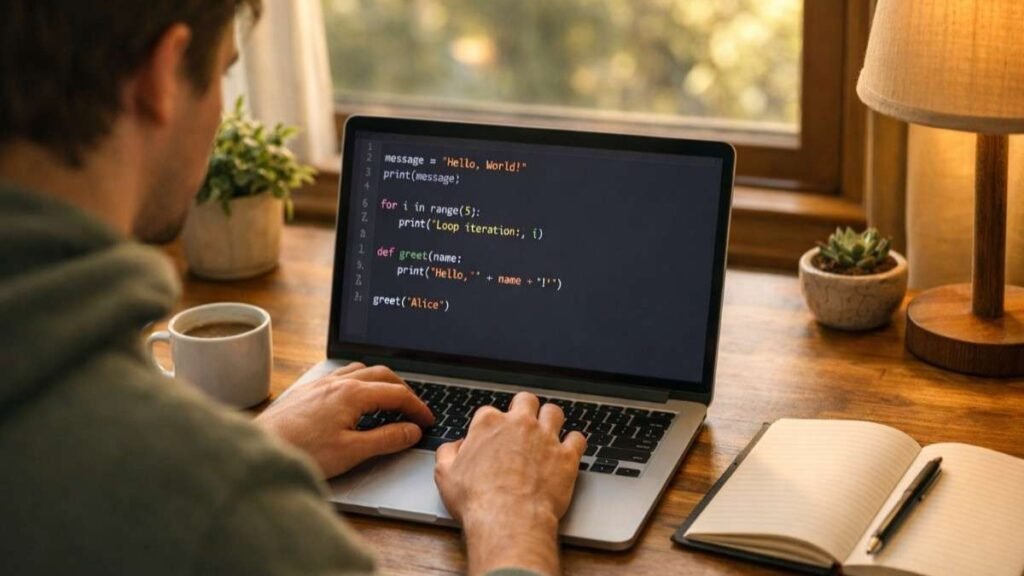
I used to think coding was only for engineers sitting in dark rooms typing complex symbols all day. The idea of learning it felt overwhelming and honestly unnecessary. But once I gave programming for non technical people a real shot, I realized it was less about code and more about thinking clearly.
That realization changed everything for me. Instead of trying to memorize syntax, I focused on understanding how instructions work. Once I did that, coding stopped feeling like a barrier and started feeling like a useful everyday skill.
Coding Is About Clear Thinking, Not Complexity
Programming for non technical people is less about memorizing code and more about learning how to give clear, logical instructions to a computer. Whether you want to build a career, automate boring tasks, or just understand how your team works, starting with the right mindset makes the learning curve manageable.
When I shifted my focus from code to logic, things became much easier. I started thinking in steps instead of lines of code. What do I want to achieve and what sequence gets me there. That simple approach removed most of the confusion.
This way of thinking also improves everyday problem solving. You begin to break big problems into smaller actions. That skill is valuable even outside programming and makes learning feel more practical and rewarding.
Start Simple to Build Confidence Faster
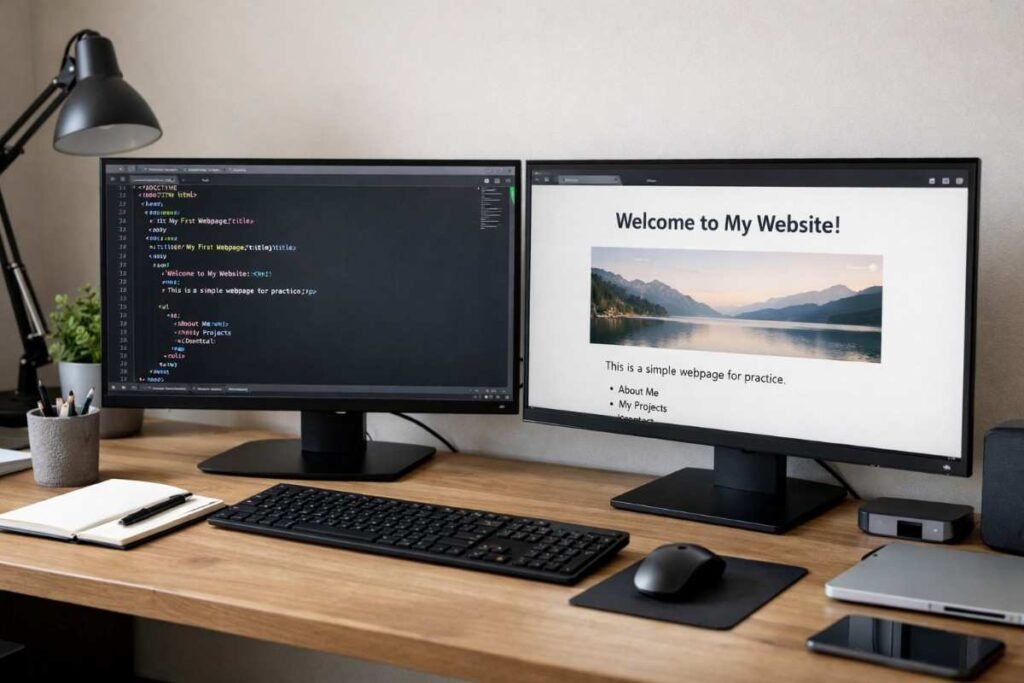
If you have never coded before, jumping into complex tools is like trying to drive a manual car on your first day. Programming for non technical people works best when you begin with simple tools that focus on logic instead of syntax.
I made the mistake of starting with complicated setups, and it slowed me down. Once I switched to beginner-friendly environments, I could focus on understanding instead of struggling with technical issues. That made learning faster and more enjoyable.
The key here is reducing friction. When your tools are simple, your attention stays on learning the concept rather than fixing errors you do not yet understand. That is what builds confidence early on.
The Easiest Entry Points to Begin Coding
Starting with the right tools can completely change your experience. I found that picking one path and sticking with it helped me avoid confusion and information overload.
Python is widely considered the best first language because it reads almost like English. It is used in areas like data analysis and artificial intelligence, which makes it both beginner-friendly and powerful.
HTML and CSS are great if you want quick visual results. While they are not traditional programming languages, they help you understand how websites are built. JavaScript is a strong next step because it adds interactivity and brings your ideas to life.
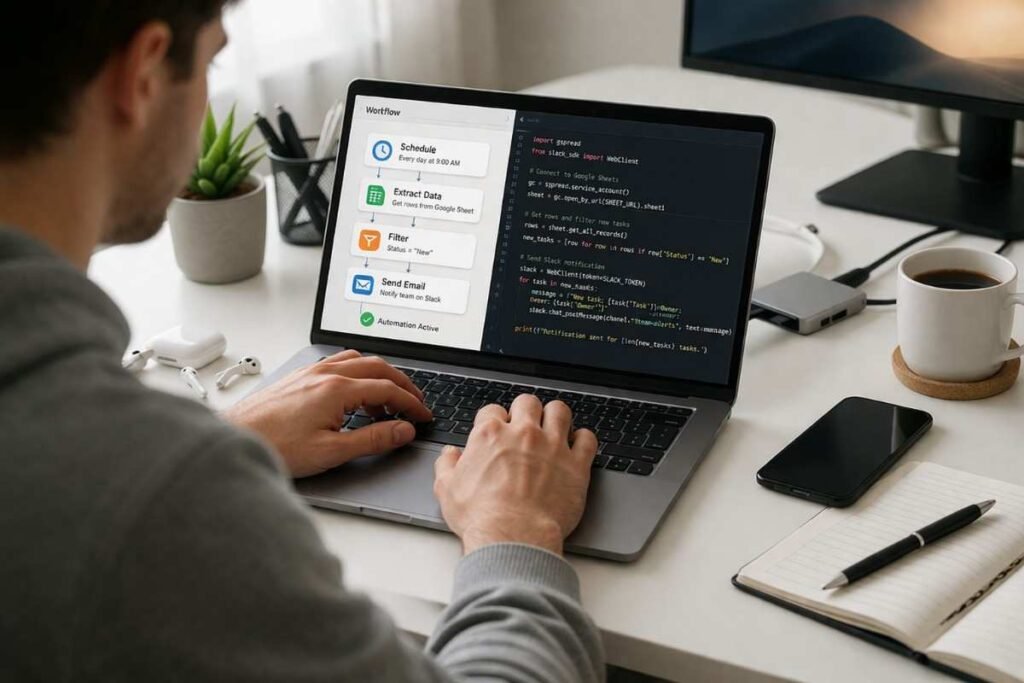
No-code tools also deserve attention. Platforms like Zapier or Softr allow you to automate workflows and build simple apps without writing code. This is a great entry point if you want quick wins while learning logic.
Beginner Courses That Actually Make Learning Easier

When I started learning, structured courses made a huge difference. Instead of guessing what to learn next, I followed a guided path that built my understanding step by step.
CS50 for Business Professionals is a great option if you want a high-level understanding without deep technical details. It explains concepts like algorithms and cloud systems in a way that makes sense for non-technical learners.
Programming for Everybody using Python is another strong choice. It assumes zero background and focuses on practical understanding. Platforms like Codecademy and Khan Academy also stand out because they let you learn by doing, which keeps things engaging and easy to follow.
Real Benefits That Make Coding Worth Your Time
One of the biggest benefits I noticed was automation. Simple scripts can handle repetitive tasks like organizing files or managing spreadsheets. This alone can save hours every week.
Another benefit is better communication. Once you understand basic coding concepts, it becomes much easier to collaborate with developers. You can explain ideas clearly and understand technical discussions without feeling lost.
Programming also improves problem solving. It trains your brain to think step by step and approach challenges logically. On top of that, it builds AI literacy. Understanding coding basics makes it easier to use tools like ChatGPT to create real solutions instead of just asking questions.
A Simple Step-by-Step System to Learn Coding
The approach that worked for me was simple and consistent. First, I chose one beginner-friendly language and committed to it. I avoided switching tools too often, which helped me build a solid foundation.
Next, I practiced daily, even if it was just for a short time. Consistency mattered more than long study sessions. I focused on understanding each concept before moving forward.
Then, I applied what I learned through small projects. These projects did not need to be perfect. They just needed to work. This helped me connect theory with real-world use and made learning feel meaningful.
Finally, I reviewed my work and improved it. I looked at what I built, identified gaps, and refined my approach. This cycle of learning, building, and improving helped me grow steadily without feeling overwhelmed.
Beginner Struggles and How to Overcome Them
One challenge I faced early was self-doubt. It is easy to feel like you are not technical enough. The truth is, everyone starts from zero. Progress comes from practice, not talent.
Another challenge is information overload. There are too many resources available, which can be confusing. The solution is to pick one path and stick with it until you build confidence.
Errors can also feel frustrating, but they are part of the process. Every mistake teaches you something new. Over time, you start to see errors as clues rather than obstacles.
Turning Coding Skills Into Real-World Results
What made the biggest difference for me was applying coding to real situations. Instead of learning random concepts, I focused on solving problems I actually cared about.
For example, automating simple tasks or organizing data made coding feel useful. When you see real results, your motivation increases and learning becomes more enjoyable.
This practical approach is often missing in many blogs. They explain concepts but do not show how to use them in daily life. When you connect coding to your routine, it becomes a skill you actually use.
Frequently Asked Questions
1. Is programming for non technical people difficult to learn?
Not really. With simple tools and consistent practice, most beginners can understand the basics within weeks.
2. How long does it take to become comfortable with coding?
It depends on your pace, but many people feel confident with the basics in one to three months.
3. Do I need a technical background to start?
No. Programming for non technical people is designed for beginners with no prior experience.
4. Can I learn coding without math skills?
Yes. Basic logic matters more than advanced math for most beginner-level programming tasks.
Getting Started with Coding
Programming for non technical people is not about becoming perfect at coding. It is about learning how to think clearly and solve problems step by step. If you stay consistent, start simple, and apply what you learn to real situations, you will build confidence faster than you expect. The best time to start is now.