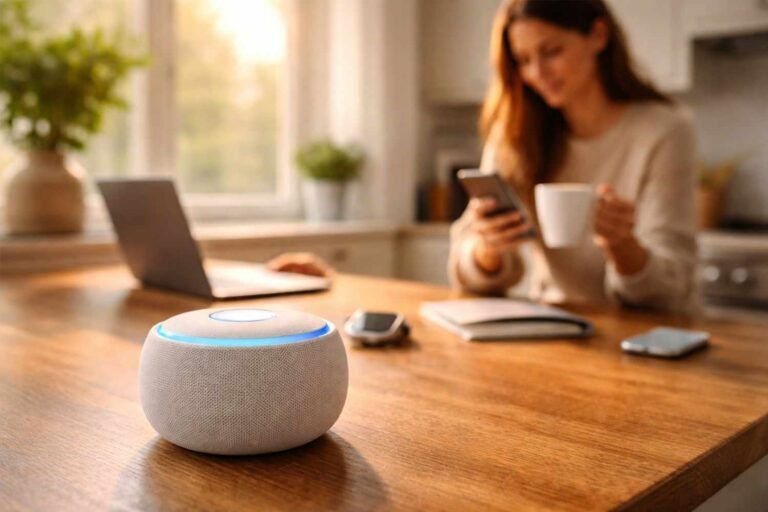

I didn’t expect wearable tech trends to evolve this fast, but 2026 is proving me wrong in the best way possible. What used to be simple gadgets tracking steps and calories are now turning into intelligent systems that quietly guide your health, productivity, and daily decisions without you even noticing.
From smart rings that act like personal assistants to AI-powered glasses that translate conversations in real time, I’m seeing a shift toward technology that feels less like a device and more like a natural extension of everyday life. If you’ve been curious about what’s really changing in wearable technology right now, this is where it starts getting interesting.
What Are the Biggest Wearable Tech Trends in 2026 Right Now?
The biggest shift I’ve noticed is that wearables are no longer passive trackers. They’ve become intelligent systems that interpret data and act on it.
Instead of simply telling you how many hours you slept, devices now analyze patterns and suggest when to rest, recover, or adjust your routine. This shift toward proactive insights is what defines the next phase of wearable technology.
Another major change is specialization. Rather than one device doing everything, we’re seeing wearables designed for specific purposes like productivity, memory, recovery, and chronic illness monitoring.
Why Are Smart Rings Becoming the Fastest Growing Wearable Category?
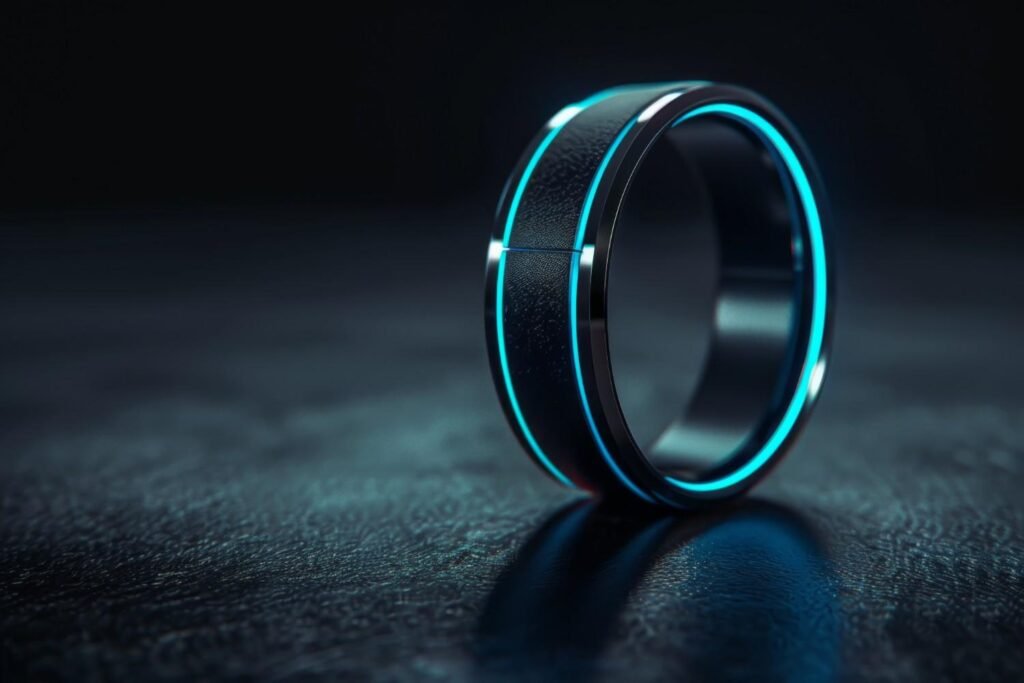
One of the most exciting wearable tech trends right now is the rise of smart rings, and the growth is hard to ignore. Shipments are expected to increase by nearly 49%, which shows how quickly people are shifting toward smaller, more discreet devices.
What stands out to me is how these rings are no longer just about health tracking. Devices like the RingConn Gen 3 now include vibration alerts and are even testing hypertension monitoring. The Vocci AI Ring takes a completely different approach by recording, transcribing, and summarizing meetings in over 100 languages.
There are also niche innovations like the Pebble Index 01, which acts as an external memory device, and luxury options like the Vertu AI Meta Ring that estimate blood sugar and blood pressure without invasive methods. This level of specialization shows how wearable technology is expanding beyond traditional categories.
How Are Wearables Reaching Clinical-Level Health Accuracy?
Health tracking has moved far beyond basic fitness metrics. What I’m seeing now is a clear shift toward clinical-grade monitoring.
Many wearable devices are achieving over 95% accuracy for detecting conditions like arrhythmia and sleep apnea. Some are even gaining regulatory approvals, which means they are starting to blur the line between consumer gadgets and medical devices.
Another major development is non-invasive tracking. New technologies allow users to monitor glucose levels and metabolic health without needles, using skin patches like Biolinq Shine. This makes continuous health monitoring more accessible and less intrusive.
Is Femtech Driving the Next Wave of Wearable Innovation?
One area that’s growing faster than most people realize is femtech. Nearly half of women aged 18 to 45 are now using digital tools for reproductive health, and wearable devices are playing a big role in that shift.
Devices like the Oura Ring Gen 3 and specialized wearables such as Peri are helping track fertility cycles, menopause symptoms, and hormonal patterns with impressive precision.
From what I’ve seen, this isn’t just a trend. It’s becoming a major category within wearable technology, opening the door for more personalized and inclusive health solutions.
How Is AI Transforming Wearable Technology in 2026?
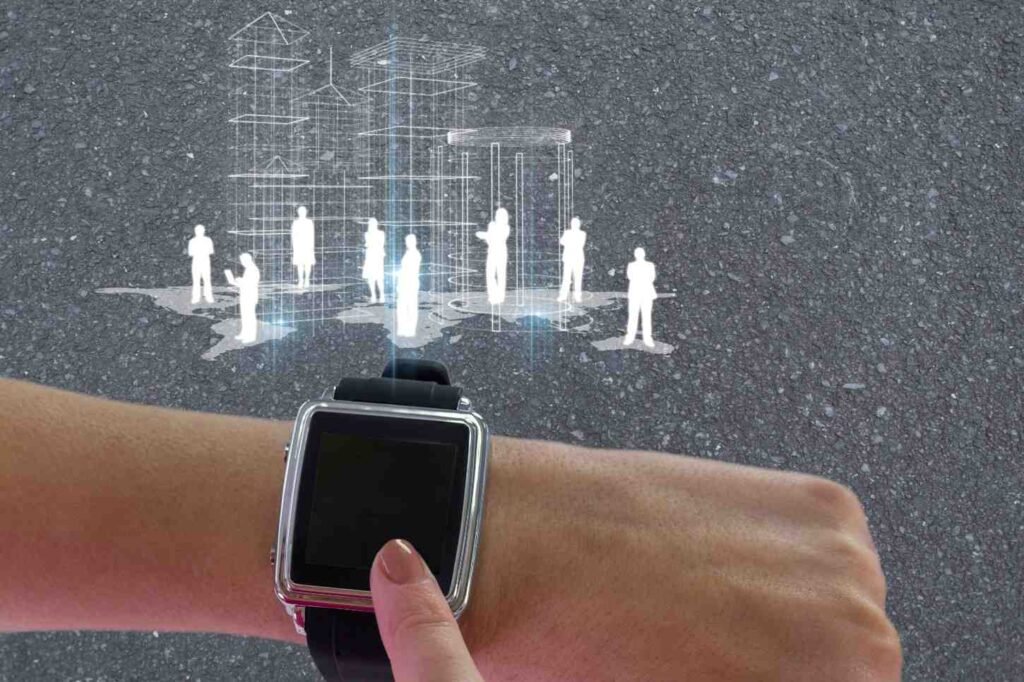
AI is no longer just a feature. It’s the core engine behind modern wearables.
Instead of reacting to your data, devices now predict outcomes. For example, some wearables can suggest taking a rest day because they detect early signs of illness based on temperature and heart rate trends.
Another important shift is on-device AI processing. This allows wearables to analyze data locally, improving both speed and privacy. It also makes real-time features like translation, transcription, and coaching much more effective.
Are Smart Glasses and Hearables Replacing Smartphones?
Smart glasses have finally reached a point where they feel practical. Devices like Ray-Ban Meta are offering hands-free navigation, real-time translation, and seamless communication without needing to pull out your phone.
At the same time, hearables like advanced earbuds are evolving into health devices. Some now include sensors for heart rate and monitoring stress , turning everyday audio devices into powerful wellness tools.
What I’m seeing is not a replacement of smartphones, but a shift toward a more distributed tech experience where wearables handle quick, real-time tasks.
Why Is Battery Life Becoming a Key Buying Factor?
One trend that’s becoming impossible to ignore is battery performance.
Instead of focusing only on apps and features, brands are prioritizing endurance. Devices like the Pebble Round 2 can last up to 14 days on a single charge while maintaining a slim design using e-paper displays.
From my experience, this shift makes wearables far more practical. People want devices they don’t have to charge every day, especially if they’re tracking sleep and health continuously.
How to Choose the Right Wearable Based on Current Trends
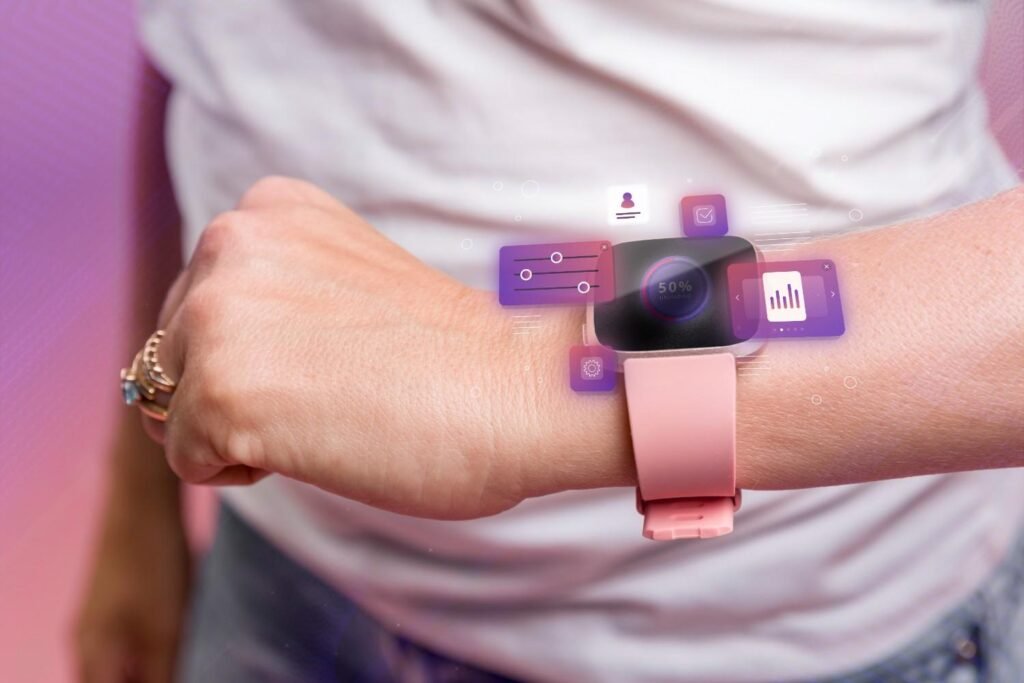
If you’re trying to choose a wearable in 2026, I always recommend starting with your primary goal.
First, decide what matters most to you. If you want deep health insights, look for devices with clinical-level tracking. If productivity is your focus, AI-powered rings or smart glasses might be a better fit.
Next, consider comfort and usability. The best wearable is the one you actually wear consistently, which is why smaller and more discreet devices are gaining popularity.
Finally, pay attention to battery life and ecosystem compatibility. A device that integrates smoothly with your daily routine will always deliver more value.
FAQs About Wearable Tech Trends
1. What are the most important wearable tech trends in 2026?
The biggest trends include AI-powered insights, smart rings, clinical-grade health tracking, smart glasses, and long battery life devices.
2. Are smart rings better than smartwatches?
Smart rings are more discreet and comfortable for 24/7 use, while smartwatches offer more features and display capabilities.
3. Can wearable devices replace medical equipment?
Some advanced wearables are reaching clinical-level accuracy, but they are still designed to complement, not replace, professional medical devices.
4. What wearable device should I buy in 2026?
It depends on your needs. For health tracking, choose a smart ring or fitness wearable. For productivity and convenience, consider smart glasses or AI-enabled devices.
Final Thoughts on Wearable Tech Trends
After following these innovations closely, I can confidently say that wearable tech trends are shifting toward smarter, more specialized, and more essential devices than ever before.
What stands out to me is how these devices are becoming part of everyday life. They’re no longer just tools you check occasionally. They’re systems that actively guide your health, productivity, and decisions.
And when you look at the bigger picture, it’s clear that wearable devices are leading the wave of Future Tech Innovations that will define how we interact with technology moving forward. If this momentum continues, wearable technology won’t just be something you use. It will become something you rely on daily.